

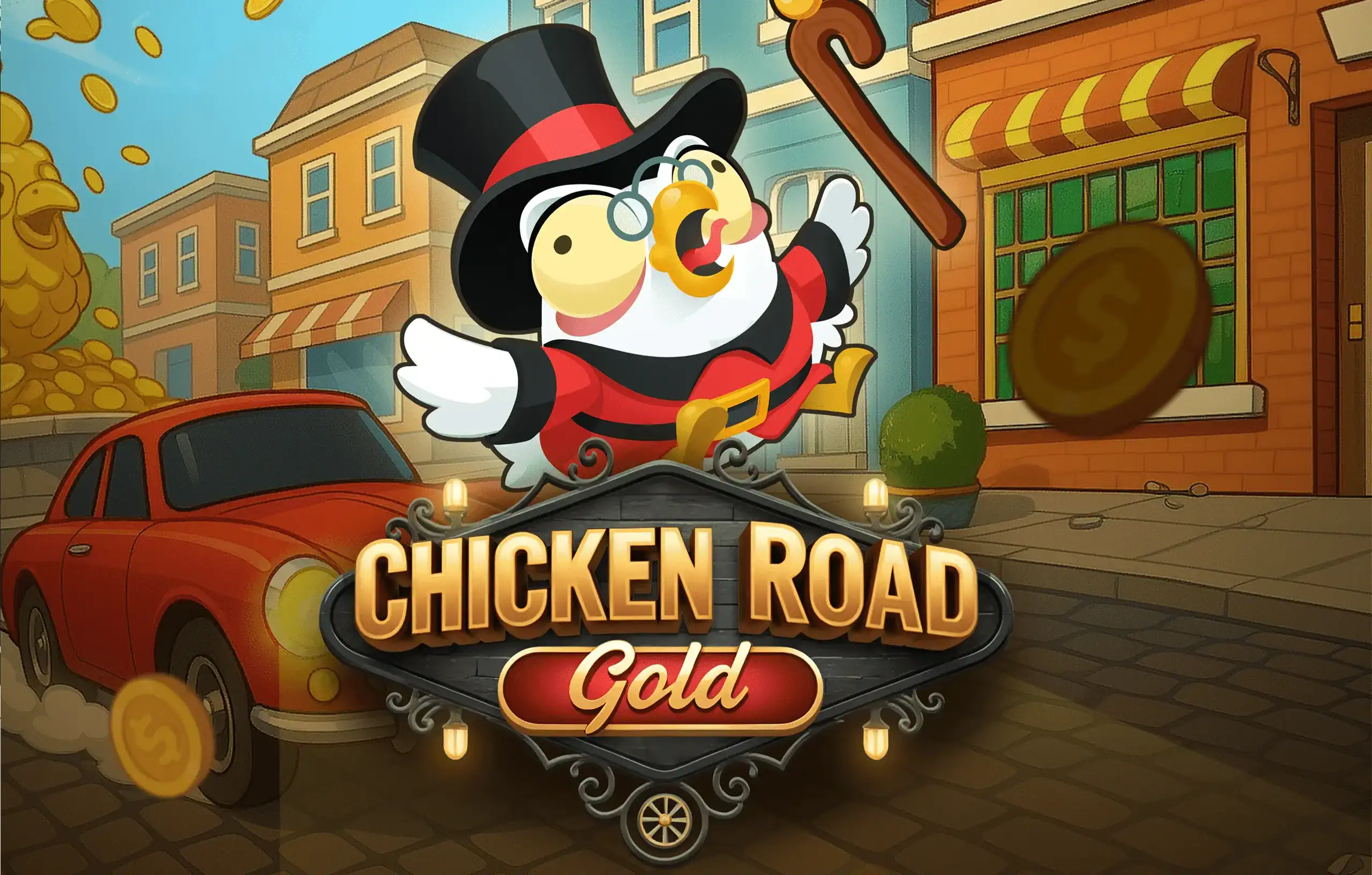
In the world of digital entertainment, few elements capture the audience’s attention like character animation. This is particularly true in games like Chicken Road Character Animation and Player Chicken Road slot, where the characters not only serve as avatars for players but also embody the spirit of the game itself. In this article, we will explore the intricate world of character animation within the Chicken Road universe, examining its techniques, artistic styles, and the impact it has on player engagement.
Understanding Character Animation
Character animation is the process of bringing characters to life through motion. It involves a series of techniques that together create the illusion of movement. In video games, character animation is not merely about making characters move from point A to point B; it encompasses the subtleties of how characters respond to in-game events, interact with the environment, and ultimately convey emotions and personality. In Chicken Road, the animation plays a crucial role in establishing the game’s vibrant and whimsical atmosphere.
The Technical Aspects of Animation
There are various techniques used in character animation, from traditional hand-drawn approaches to modern computer-generated imagery (CGI). In Chicken Road, a blend of 2D and 3D animation techniques is often employed. Key aspects include:
- Skeletal Animation: This technique involves creating a “skeleton” that defines how a character moves. Each joint and limb is assigned to a bone in the skeleton, allowing for fluid movement. This is particularly effective for creating dynamic actions, such as running or jumping.
- Keyframe Animation: By defining specific frames of movement, animators can create realistic actions. In Chicken Road, this method is used to choreograph character animations during critical moments, enhancing the overall gameplay experience.
- Motion Capture: Some games utilize motion capture technology to record the movements of real actors, which are then translated into character animations. Although less common in a cartoonish game like Chicken Road, this technique can add a layer of realism to certain animations.
The Role of Character Design
Character design plays a pivotal role in animation. Characters must be designed not only for aesthetic appeal but also for expressiveness and functionality in the game. For Chicken Road, characters are designed with exaggerated features and a whimsical aesthetic that enhances their animated actions. The design process often involves:

- Concept Art: This is the initial phase where artists sketch the characters, exploring various looks and styles.
- Modeling: In 3D animation, characters need to be modeled digitally to create a usable asset in the game.
- Texturing: This adds color and detail to the character models, ensuring they fit within the world of Chicken Road.
Animation Techniques in Action
In a game like Chicken Road, characters are engaged in various activities that require distinct animations. Some examples include:
- Idle Animations: These create a sense of life and realism, showing characters moving slightly even when they are not actively engaged in gameplay.
- Victory Dances: After winning a challenge, characters may perform unique animations that add a layer of fun and celebration to the game.
- Interaction Animations: When characters interact with objects or other characters, specific animations are triggered to convey that interaction effectively.
Emotional Expression Through Animation
One of the most significant aspects of character animation is its ability to convey emotion. In Chicken Road, the characters are designed with such expressiveness that players can easily read their emotions through animations alone. This includes:
- Facial Expressions: Characters can show happiness, sadness, frustration, and excitement, all of which enhance the storytelling.
- Body Language: The way a character stands, moves, or reacts to events provides additional context to their emotional state.
Impact on Player Engagement
The effectiveness of character animation significantly influences player engagement. Well-animated characters can create a connection with players, making them more invested in the game. Various elements contribute to this:
- Identifiability: Characters that are relatable and well-animated can reflect player emotions, leading to a deeper emotional connection.
- Immersion: When the animation feels natural and engaging, players are more likely to become immersed in the gameplay experience.
Challenges Faced by Animators
While character animation can be incredibly rewarding, animators face several challenges, particularly in a fast-paced gaming environment. Some of these challenges include:
- Resource Management: Balancing high-quality animation with the need for timely production can be difficult.
- Consistency: Maintaining a consistent animation style that fits the overall game design while ensuring each character remains unique.
Conclusion
Character animation is a crucial component of game design, especially in engaging titles like Chicken Road. Through the use of various animation techniques, dedicated artistry, and a focus on emotional expression, animators create rich, engaging experiences that captivate players. As technology continues to evolve, the future of character animation holds even more potential for innovation, promising to enhance the way we interact with our favorite characters in gaming.
PREVIOUS POST
NEXT POST
You Might Also Like