

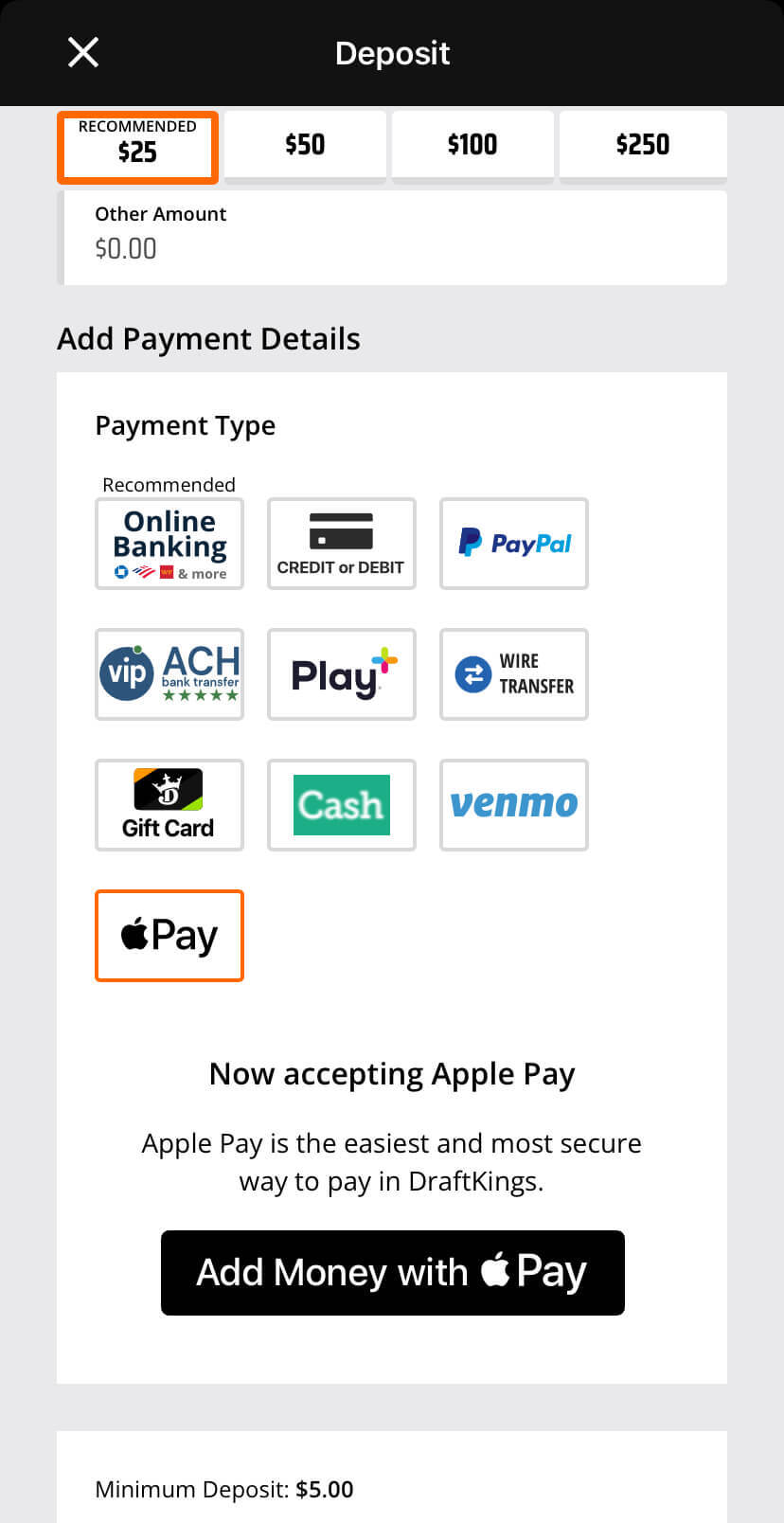
As technology advances, so does the way we manage our finances and make transactions. One of the most significant disruptions in recent years has been the introduction of mobile payment systems like Apple Pay. This innovative payment platform has made it easier for users to conduct financial transactions directly from their Apple devices. However, not all sectors have embraced this technology equally, particularly in the online betting industry. In this article, we delve into the reasons why some bookmakers still do not accept Apple Pay as a payment method and what it means for punters looking to use this convenient service. For detailed discussions, refer to the Apple Pay bookmakers not on GamStop ioshconference.co.uk.

Understanding Apple Pay
Apple Pay is a mobile wallet service developed by Apple Inc., allowing users to make payments in person, through apps, and online using Safari. This service has gained significant traction due to its simplicity and the added layer of security it provides. Users can link their credit or debit cards to their Apple devices, allowing for seamless transactions by simply tapping their devices at contactless terminals or selecting Apple Pay options in apps and on websites. The popularity of Apple Pay has soared, with millions of users worldwide benefiting from the convenience it offers.
The Landscape of Online Betting
The online betting industry has been evolving rapidly, with numerous bookmakers emerging to cater to a global audience. Most of these platforms have adopted various payment methods to attract and retain customers. While traditional options like credit cards and bank transfers remain popular, newer payment solutions, including e-wallets and mobile payments like Apple Pay, are becoming more sought after. Fast, easy, and secure transactions are crucial for online betting, making payment options a significant factor for users when choosing a bookmaker.
Reasons Some Bookmakers Do Not Accept Apple Pay
1. Regulatory Challenges
One of the primary reasons some bookmakers have not adopted Apple Pay is due to regulatory challenges. Payment processing in the gambling sector is heavily regulated in many jurisdictions, and integrating a new payment method requires compliance with specific laws and regulations. Bookmakers may choose to avoid Apple Pay if they are uncertain about fulfilling these requirements.
2. Costs and Fees
The costs associated with implementing and maintaining Apple Pay as a payment option can deter some bookmakers. Payment processing fees can vary depending on the payment method, and smaller bookmakers may find it financially unviable to include Apple Pay alongside their existing payment options. They may prioritize keeping costs low to remain competitive in terms of odds and offers.
3. Limited Customer Demand
In certain markets, the demand for Apple Pay among punters might be limited. If a significant portion of their customer base prefers other payment methods, bookmakers may opt not to integrate Apple Pay to streamline their operations. Understanding customer preferences and behavior is crucial for bookmakers, and if Apple Pay is not widely used among their clients, they might hesitate to adopt it.
4. Technological Obstacles
Integrating Apple Pay into a website or app requires a certain level of technological infrastructure. Some bookmakers may not have the resources or technical expertise to implement Apple Pay successfully. This lack of technical capability can be a considerable barrier for smaller or newer betting platforms.
Impact on Users
The absence of Apple Pay as a payment option can significantly impact users’ experience with online betting. For many, the convenience of Apple Pay enhances their overall wagering experience, allowing for quick deposits and withdrawals. When bookmakers do not support this payment method, it may lead to frustration among customers who are accustomed to the ease of mobile transactions. Moreover, users may feel a lack of trust when using sites that do not offer modern payment methods, preferring platforms that are more technologically advanced. Many punters are also concerned about security and privacy, and Apple Pay provides a solution by not sharing sensitive card details with merchants.
Alternatives to Apple Pay
For users who find themselves choosing bookmakers that do not offer Apple Pay, various alternative payment options are typically available. These include:
- Credit and Debit Cards: Traditional card payments remain widely accepted and are familiar to most users.
- E-wallets: Services like PayPal, Neteller, and Skrill have become popular for online betting due to their ease of use and security features.
- Bank Transfers: Though slower than other methods, bank transfers are still a reliable way to fund betting accounts.
- Cryptocurrencies: An increasing number of bookmakers are beginning to accept cryptocurrencies like Bitcoin, providing another alternative for users.
Future Trends
As the online betting landscape continues to evolve, it is likely that we will see more bookmakers adopting Apple Pay and other modern payment methods. As consumer demand for fast and secure transactions grows, bookmakers will feel pressured to expand their payment options to stay competitive. Industry trends indicate a shift towards digital and mobile payment solutions, which could lead to wider acceptance of Apple Pay in the betting industry.
In conclusion, while Apple Pay offers numerous benefits and is favored by many users, several factors contribute to why some bookmakers have yet to adopt this payment method. Regulatory challenges, costs, limited demand, and technological obstacles remain prevalent reasons. However, as user expectations evolve, it is possible that we will see significant change within the industry, opening the door for wider acceptance of Apple Pay and ultimately enhancing the betting experience.
PREVIOUS POST
NEXT POST
You Might Also Like