


The Unseen Side of UK Horse Racing: What Happens When the Races Aren’t On
In the heart of the United Kingdom, horse racing is more than just a sport; it’s a way of life. It draws crowds from all walks of life, creating a vibrant atmosphere that is hard to replicate. However, when the races aren’t on, whether due to seasonal breaks or specific circumstances, the entire racing community shifts gears. With the excitement momentarily paused, what occurs behind the scenes? UK Horse Racing Not on GamStop https://www.unitedkingdomlovers.uk/ This article delves into the unseen side of UK horse racing, exploring what happens when the races take a break.
The Cultural Significance of Horse Racing
Horse racing holds a distinguished place in British culture, symbolizing tradition, community, and competition. Major events like the Grand National and the Royal Ascot capture the public’s attention, reinvigorating interest in the sport. However, when these events are not in session, fans and participants alike seek other avenues to express their passion for racing. Local races and training sessions become more significant, as do social gatherings centered around the sport.
Training and Preparation: The Work Behind the Scenes
When the races aren’t on, the hard work of trainers and jockeys continues in full swing. Horses need constant care; this includes training, grooming, and maintaining their overall health. Trainers often use this downtime to assess their strategies, prepare their horses and even recalibrate their training routines. This dedication ensures that when the racing season returns, both horses and their teams are fully prepared to compete at the highest level.
Community and Social Activities
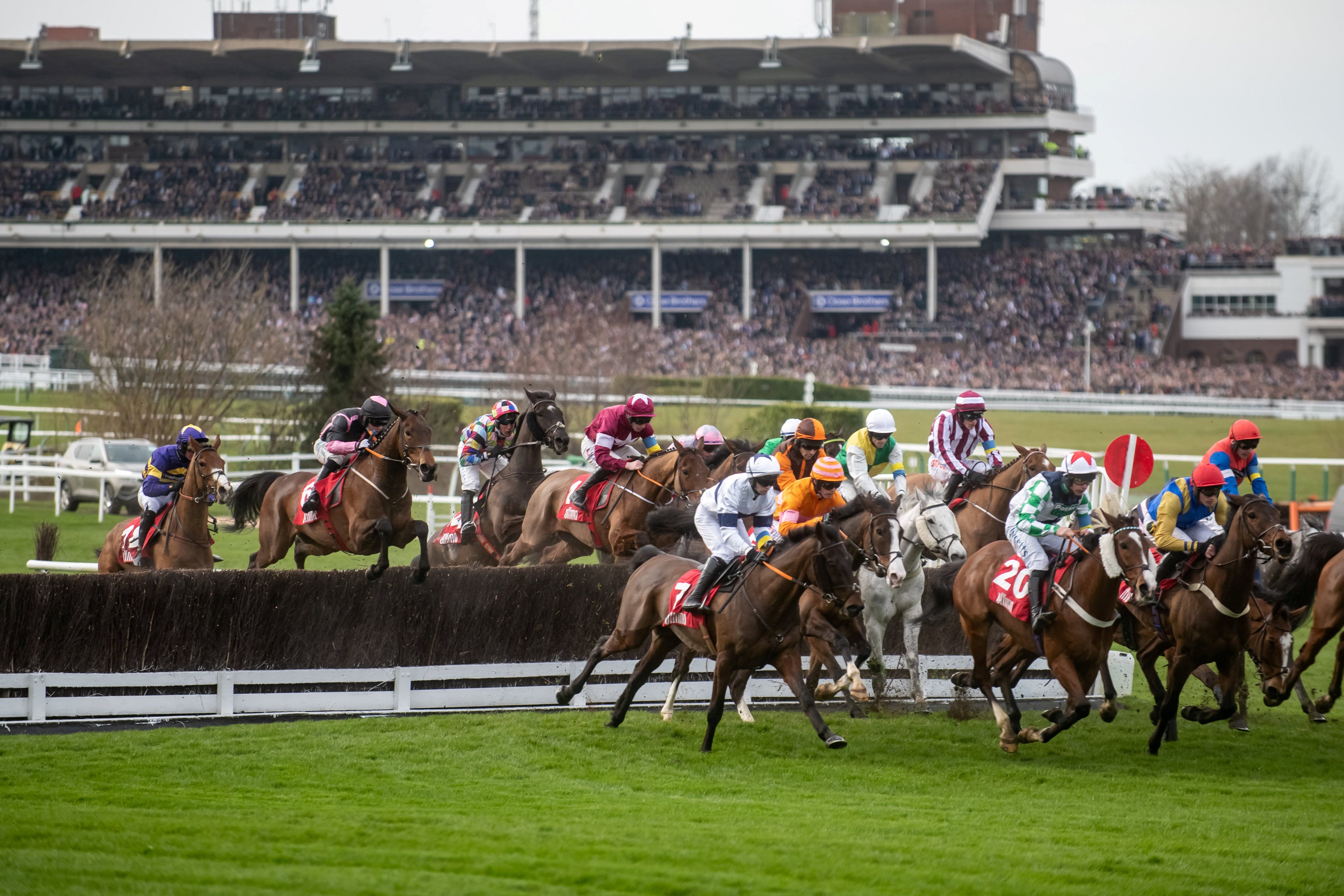
The racing community thrives year-round, not just during race days. When there’s a lull in racing events, members of the community engage in various social activities. This includes attending equestrian-themed gatherings, charity events, and local fairs that promote horse-related activities. These events not only keep the community spirit alive but also allow enthusiasts to share their knowledge, experiences, and passion for horses.
Off-season Strategies: Maintaining Horse Wellbeing
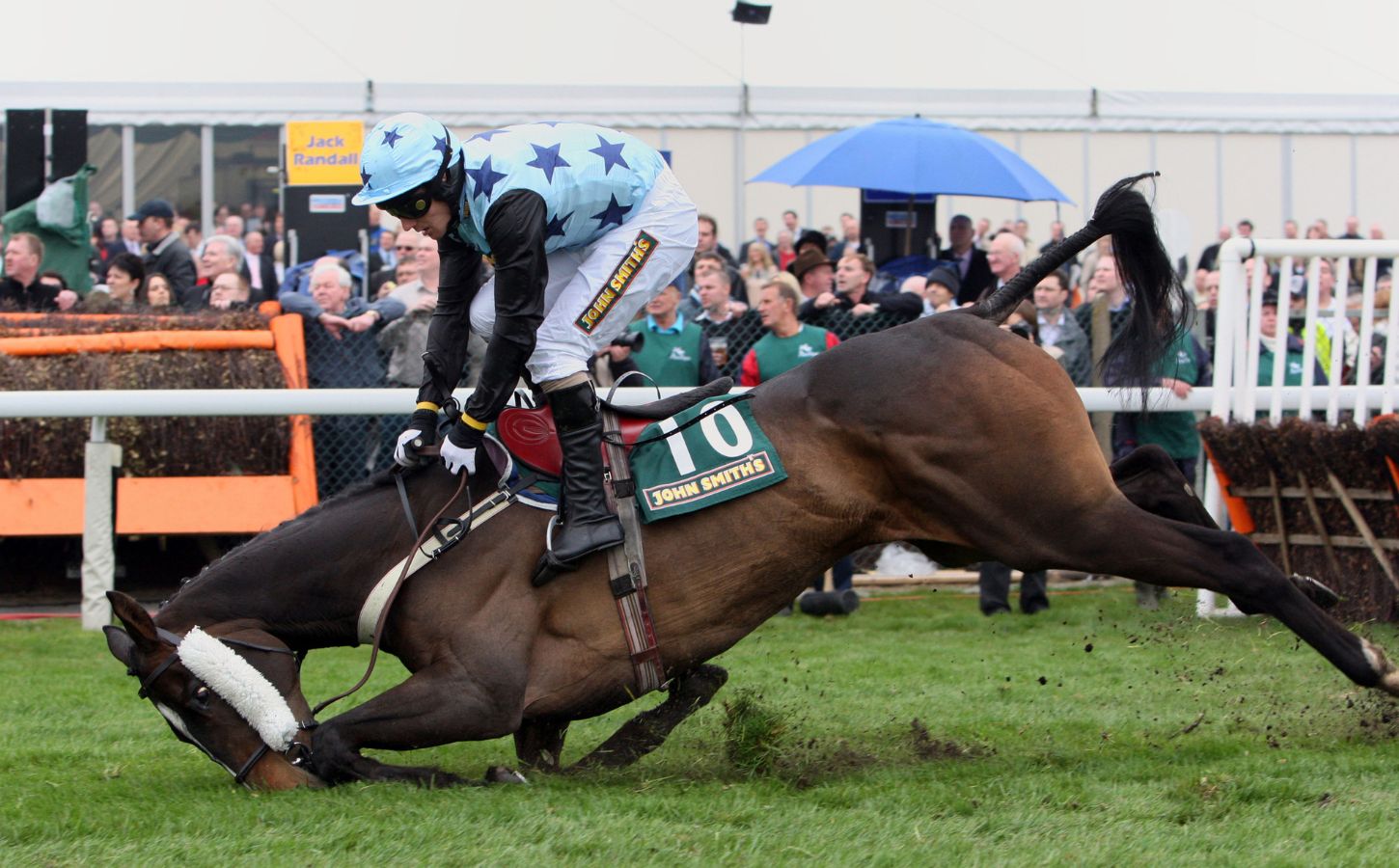
During the off-season or when races are not occurring, stable staff play a critical role in ensuring the horses remain healthy and engaged. Veterinary visits become more frequent as trainers take the opportunity to address any lingering health issues. Additionally, many trainers implement varied exercise routines to prevent stale training and keep the horses mentally stimulated. Riding out on different tracks, engaging in groundwork, or introducing them to varied terrains supports both their physical and mental health.
Exploring Alternative Racing Events
When traditional races aren’t on, there are a myriad of alternative racing events to explore. Events such as point-to-point races or amateur competitions often take place during the off-season and provide engaging opportunities for both newcomers and seasoned fans. These events are less formal, allowing a more relaxed atmoshphere where fans can get closer to the action, interact with riders, and better appreciate the sport.
Education and Training for Aspiring Jockeys
For aspiring jockeys and horse trainers, the off-season offers a chance to refine their skills. Various workshops, courses, and training programs take center stage, preparing individuals to make a mark in the horse racing landscape. Prominent racing schools and institutions conduct courses on riding techniques, horse care, and race strategy. This ensures that as new talent arises, the sport continues to flourish with fresh energy and perspectives.
The Role of Betting and Online Engagement
While live races may not always be running, the betting industry continually evolves. Many enthusiasts engage in online betting platforms that offer virtual races or other forms of competitive betting, keeping the spirit of the sport alive during downtimes. This involvement also fosters an online community of racing fans who enjoy discussing strategies, sharing tips, and analyzing horse performances, creating a virtual camaraderie that parallels the atmosphere of live events.
The Impact of Technology on Training and Community Engagement
Technology plays a vital role in maintaining engagement with the sport, even when races aren’t on. Virtual training sessions, webinars with expert racers, and online forums facilitate knowledge sharing among enthusiasts. Many trainers utilize apps and performance analysis tools to track a horse’s fitness levels, making adjustments in training as necessary. This intersection of technology and equestrian culture not only enhances the care for the horses but deepens community bonds, allowing fans to connect seamlessly, irrespective of racing schedules.
Conclusion: Keeping the Spirit Alive
Even when the races are not on, the spirit of UK horse racing is very much alive. The community, trainers, and fans adapt to these moments with resilience, finding ways to celebrate and maintain their deep-rooted love for the sport. Whether through local races, training regimens, or community gatherings, the essence of horse racing continues to thrive, ensuring that when the races return, they not only welcome back the horses but also reignite the passion of fans eager to cheer from the stands.
PREVIOUS POST
NEXT POST